Source Hyundai Gasoline Engine Car Piston for Cars, Trucks, and Tractors
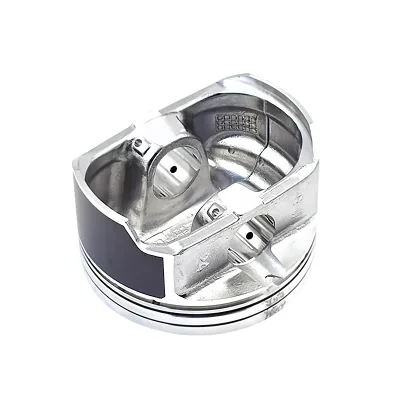
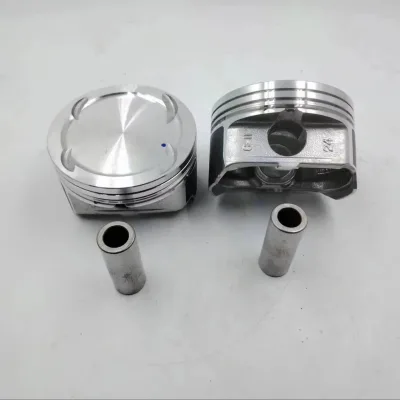
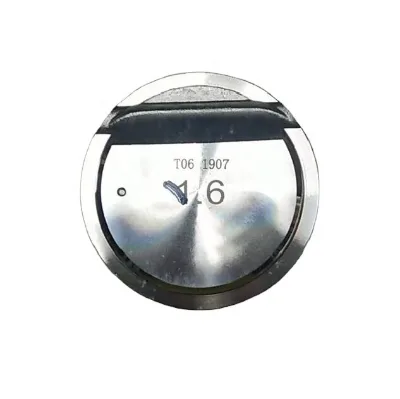
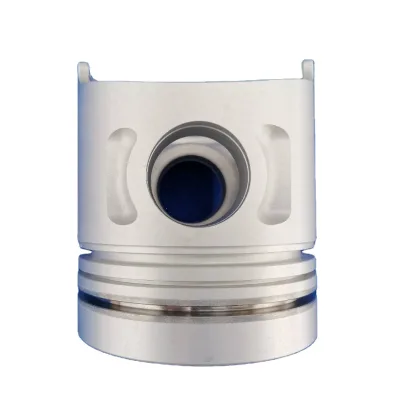
Find 30 listings for the hyundai gasoline engine car piston, featuring aluminum alloy construction and high-performance reciprocating designs. Compare specifications such as bore diameter and compression height from verified Chinese manufacturers to identify suitable engine parts for various automotive applications.
Key considerations
Products List

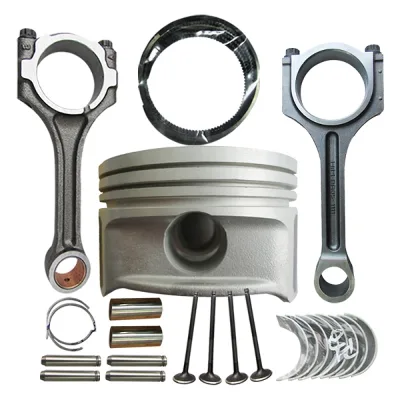


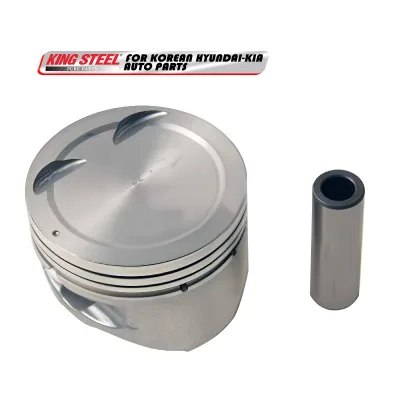
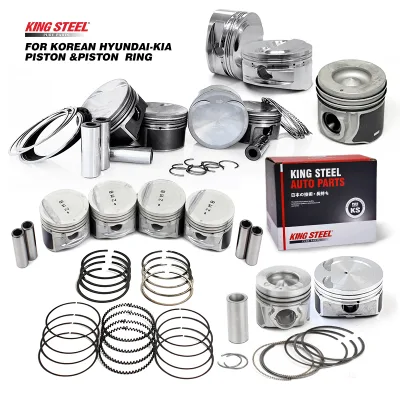


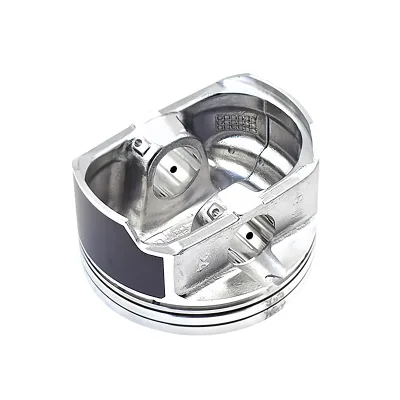






Comprehensive Sourcing Guide
Hyundai Gasoline Engine Car Piston Sourcing Guide
Sourcing replacement pistons for Hyundai gasoline engines requires a disciplined approach to technical alignment and supplier verification. The market offers a wide array of options, but not all listings accurately reflect the specific engine architecture of your vehicle. Buyers must prioritize precise dimensional matching over generic compatibility claims to ensure proper engine function and longevity. This guide outlines the critical steps for identifying suitable components, verifying technical specifications, and establishing reliable commercial terms with manufacturers.
The procurement process begins with a clear understanding of the product scope and the signals present in current market listings. By analyzing observed data points, buyers can distinguish between high-quality OEM-standard parts and lower-tier alternatives. This section provides a framework for evaluating product listings, focusing on key attributes such as material composition, dimensional accuracy, and manufacturer claims. Understanding these signals helps buyers make informed decisions that balance cost efficiency with performance reliability.
Product Scope and Observed Listing Signals
Current market listings for Hyundai gasoline engine pistons reveal a diverse range of product attributes that buyers must carefully evaluate. Observed data indicates a price range from one to four hundred twenty-three US dollars, reflecting significant variation in quality and origin. The minimum order quantity typically starts at one piece, allowing for flexible procurement strategies, while lead times are commonly reported around thirty days. These commercial signals suggest a market that accommodates both small-scale repairs and larger fleet maintenance operations, requiring buyers to assess volume needs against supplier capacity.
Technical observations highlight specific product characteristics that define the available inventory. Listings frequently mention aluminum alloy construction, which is standard for modern gasoline engines due to its lightweight and heat-dissipation properties. Some products are explicitly labeled as two-stroke or high-speed variants, though most Hyundai applications require four-stroke reciprocating piston designs. Buyers should note that color options are often customizable, and packaging may vary from neutral boxes to customer-specific requests. These details provide insight into the manufacturing flexibility and customization capabilities of potential suppliers.
Technical Specifications to Verify
Dimensional accuracy is the most critical factor when selecting pistons for Hyundai gasoline engines. Buyers must verify bore diameter and compression height against original equipment manufacturer specifications to ensure proper fitment. Observed listings show bore diameters such as ninety point nine eight millimeters and eighty-six millimeters, alongside compression heights like thirty point nine eight millimeters and thirty-two point thirty-eight millimeters. These precise measurements are essential for maintaining correct clearance ratios and preventing mechanical failure. Cross-referencing these values with the specific engine model is a mandatory step before placing any order.
Material composition and design features also play a vital role in piston performance. Aluminum alloy is the predominant material, offering a balance of strength and weight reduction. Some listings specify OEM numbers such as two three zero four one two E zero zero zero, which serve as direct references for compatibility. Buyers should confirm whether the piston is designed for standard or oversized applications, as this affects engine rebuild procedures. Additionally, verifying the stroke type and cooling method ensures the component matches the engine’s operational requirements, preventing issues related to thermal expansion or mechanical stress.
Compliance and Safety Documentation
Certification status is a key indicator of manufacturing quality and regulatory compliance. While some listings mention ISO certification, buyers must verify the specific scope and validity of these credentials. The presence of an ISO label suggests adherence to international quality management standards, but it does not guarantee engine-specific performance. Buyers should request copies of relevant certificates and confirm that the supplier maintains active quality control processes. This verification step helps mitigate risks associated with substandard materials or inconsistent manufacturing practices.
Safety and performance documentation should include test results and warranty terms. Listings often cite warranty periods ranging from six months to twenty-four months, reflecting varying levels of supplier confidence. Buyers should scrutinize these terms to understand coverage limits and claim procedures. Additionally, requesting material test reports or dimensional inspection certificates can provide assurance of product consistency. Understanding the supplier’s quality assurance protocols is essential for ensuring that the pistons meet the rigorous demands of automotive applications.
Cost Drivers and Commercial Terms
Pricing variations in the piston market are driven by material costs, manufacturing complexity, and order volume. The observed price range of one to four hundred twenty-three US dollars highlights the impact of quality tiers on final costs. Buyers should consider the total cost of ownership, including shipping, tariffs, and potential rework expenses, rather than focusing solely on unit price. Higher-priced items often correlate with better material purity, tighter tolerances, and more comprehensive warranty support, which can reduce long-term maintenance costs.
Payment terms and lead times are critical components of the commercial agreement. Common payment methods include telegraphic transfer and letters of credit, offering varying levels of security for both parties. Lead times of around thirty days are typical, but buyers should confirm production schedules to avoid delays. Negotiating favorable terms, such as extended payment periods or bulk discounts, can improve cash flow and profitability. Clear communication regarding shipping methods and insurance coverage is also essential to protect against transit risks.
Supplier Qualification and Quality Control
Supplier qualification involves assessing manufacturing capabilities and quality management systems. Buyers should verify the supplier’s production capacity, equipment modernity, and experience with automotive components. Factories located in regions like Beijing, China, often have established supply chains and technical expertise. Requesting factory audits or third-party inspections can provide valuable insights into operational standards. This due diligence helps ensure that the supplier can consistently deliver products that meet specified requirements.
Quality control processes must be robust to maintain product consistency. Buyers should inquire about incoming material inspections, in-process checks, and final product testing. Suppliers with high-level quality claims should demonstrate these through documented procedures and statistical process control data. Establishing clear acceptance criteria and sampling plans for incoming shipments is crucial. Regular communication with the supplier regarding quality issues and continuous improvement initiatives fosters a collaborative relationship that benefits both parties.
Long-Term Procurement Checks
Building a sustainable supply chain requires ongoing performance monitoring and relationship management. Buyers should track key metrics such as delivery reliability, defect rates, and responsiveness to issues. Regular reviews of supplier performance help identify areas for improvement and ensure continued alignment with business goals. Maintaining open lines of communication facilitates quick resolution of problems and supports long-term partnership development. This proactive approach minimizes disruptions and enhances overall procurement efficiency.
Adapting to market changes and technological advancements is essential for long-term success. Buyers should stay informed about industry trends, new materials, and evolving regulatory requirements. Periodic reassessment of supplier capabilities and product specifications ensures that the procurement strategy remains relevant. Exploring opportunities for cost optimization and value engineering can further enhance competitiveness. By maintaining a strategic focus on quality and reliability, buyers can secure a stable supply of high-performance pistons for their operations.
FAQs
What is the lead time for these auto parts pistons?
The lead time for these auto parts pistons is 30 days from order confirmation. This duration applies to standard orders and ensures timely delivery for your engine parts needs while maintaining high performance standards.
Which car models are suitable for these gasoline pistons?
These gasoline pistons are suitable for Hyundai and Kia car models. They are designed to fit specific engine requirements and come with OEM numbers like 23041-2E000 to ensure compatibility with your vehicle's engine system.
Can I request custom colors for these engine parts?
Yes, you can request custom colors for these engine parts as the colors depend on customer requirements. This customization option allows you to match specific branding or aesthetic preferences while maintaining the high quality of the aluminum alloy material.
What payment methods are accepted for these piston orders?
Accepted payment methods for these piston orders include T/T and LC. These secure payment options facilitate smooth transactions for buyers sourcing high-level quality auto parts pistons from suppliers in Beijing, China, ensuring reliable business operations.
How long is the warranty period for these pistons?
The warranty period for these pistons is 24 months. This coverage ensures reliability for your engine parts, providing peace of mind regarding the high performance and durability of the aluminum alloy components supplied for your automotive needs.
What is the minimum order quantity for these auto parts?
The minimum order quantity for these auto parts is 1 piece. This low MOQ allows buyers to test the product quality and specifications without committing to large volumes, making it ideal for small-scale procurement or initial sampling needs.
Are these pistons available with ISO certification?
Yes, these pistons are available with ISO certification for engine types. This certification confirms that the manufacturing process meets international quality standards, ensuring that the gasoline pistons delivered are reliable and safe for use in various automotive applications.